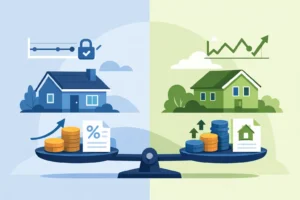
A vacant retail bay can look like a smart investment until you learn the roof needs replacement, the zoning limits your intended use, or the loan terms cut deeper into cash flow than expected. That is why a solid commercial property purchase guide matters. Buying commercial real estate is not just about finding a building you like. It is about understanding income, risk, financing, legal use, and long-term value before you commit.
For many buyers, the biggest surprise is how different commercial purchases feel from residential ones. The numbers carry more weight, lenders ask different questions, and the property itself has to work as both a physical asset and a business decision. If you are buying an office condo, retail unit, warehouse, mixed-use building, or multi-tenant space, the right approach can save you from expensive mistakes.
What makes commercial buying different
Commercial real estate is usually evaluated on performance first and appearance second. A residential buyer may fall in love with a layout or neighborhood. A commercial buyer has to ask tougher questions. Will the property support the intended use? What are the operating costs? Is there enough demand in the area? Can the financing structure still make sense if rates move or vacancy increases?
That does not mean appearance is irrelevant. Condition, visibility, parking, and access still matter. But in commercial deals, these features matter because they affect income, tenants, business operations, and resale value.
The other major difference is timing. Commercial transactions often take longer because there are more documents, more negotiation points, and more third-party reviews. Appraisals, environmental checks, lease reviews, and lender conditions all add time. Buyers who expect a quick, simple process are often caught off guard.
Start your commercial property purchase guide with a clear plan
Before you tour properties, define what you are buying and why. Owner-users, investors, and developers all approach commercial real estate differently. A business owner buying space for their own operations may prioritize location, accessibility, and room to grow. An investor may care more about lease strength, tenant profile, and cap rate. A redevelopment buyer may focus on land value, zoning flexibility, and future upside.
This step sounds basic, but it shapes every decision that follows. If your goal is stable income, a vacant property may not suit you unless the pricing reflects that risk. If your goal is operational efficiency, a cheaper building in the wrong location may cost more over time.
It also helps to define your tolerance for improvement costs. Some buyers are comfortable taking on renovations if the purchase price leaves room for it. Others need a property that is ready to use with minimal work. Neither is wrong, but confusion here can lead to wasted time and poor choices.
Financing can shape the deal before the offer
Commercial financing is more nuanced than many buyers expect. Lenders typically look at your down payment, business financials, credit profile, debt service ability, and the property itself. In some cases, they also assess lease income, tenant quality, and industry risk. A property with strong tenants and stable income may be easier to finance than a vacant building, even if the purchase price is similar.
Down payment requirements are often higher than in residential purchases. Interest rates, amortization periods, and lender fees may also differ. Some loans have stricter covenants or shorter terms, which can affect your monthly obligations and refinancing risk later.
This is where working with an advisor who understands both real estate and mortgage strategy can make the process smoother. Buyers often focus on what they can qualify for, but the better question is what financing structure supports the property without creating unnecessary pressure on cash flow. A deal that works on paper but feels tight every month can become a burden quickly.
Location still matters, but in a more practical way
In a commercial property purchase guide, location should never be reduced to a slogan. The right location depends on the use. Retail needs traffic, visibility, access, and parking. Industrial users may prioritize loading capacity, road access, yard space, and proximity to suppliers or distribution routes. Office buyers may care more about convenience, surrounding amenities, and the character of the building.
You also need to think beyond the property line. Nearby development, road changes, competing properties, and neighborhood vacancy can all affect value. A lower-priced building may seem attractive until you realize the local demand is weakening or the area does not support your type of business.
In Edmonton and surrounding Alberta communities, local market knowledge matters because commercial pockets can perform very differently from one area to the next. Two properties with similar square footage may carry very different risk depending on tenant demand, vehicle access, and future development around them.
Due diligence is where expensive surprises show up
A commercial property can look fine during a walkthrough and still carry major issues. Due diligence is your chance to verify what you are actually buying. This usually includes reviewing the title, zoning, property tax history, operating costs, service contracts, permits, and physical condition.
If the property has tenants, you need to review leases carefully. Rent amounts matter, but so do lease expiry dates, renewal options, rent escalations, maintenance responsibilities, and incentives that may not be obvious at first glance. A property advertised as fully leased may still have weak income if several tenants are close to leaving or paying below-market rent.
Physical inspections also deserve careful attention. Roofs, HVAC systems, plumbing, electrical capacity, structural elements, and parking surfaces can create major costs after closing. Depending on the property type and history, environmental review may be necessary as well. This is especially relevant for sites with prior industrial use, automotive operations, or older building systems.
Due diligence can feel tedious when you are eager to close, but it is one of the few stages where you still have leverage. Once the transaction closes, the problems become yours.
Understand the numbers behind the property
A commercial purchase should be tested from multiple angles. Buyers often start with price per square foot, but that number alone says very little. You need to understand net operating income, vacancy assumptions, common area costs, property taxes, insurance, utilities, and expected capital improvements.
For owner-users, the analysis should compare ownership costs to leasing costs over time. Ownership can create stability and long-term equity, but it also concentrates responsibility. Repairs, taxes, and periods of underuse can hit harder than expected if the business is already stretched.
For investors, projected returns should be stress-tested. What happens if one tenant leaves? What happens if interest rates renew higher? What happens if repairs arrive sooner than planned? A property does not need to be risk-free to be a good buy, but the risk should be visible and acceptable.
Negotiation is about more than price
Many buyers focus heavily on the purchase price and miss other terms that can protect them. In commercial deals, conditions matter. Financing conditions, inspection periods, document review clauses, environmental review rights, and clear timelines can all reduce risk.
There are also cases where a higher price with better terms is stronger than a lower price with tight conditions. If the seller is providing clean documentation, reasonable access for inspections, or flexibility on possession, that has value. On the other hand, a discounted price can lose its appeal if the buyer is rushed into taking on unresolved issues.
Good negotiation balances competitiveness with protection. If the market is active, you may need to move decisively. Still, speed should not replace diligence.
Build the right team early
Commercial transactions tend to go better when the right professionals are involved early, not after problems appear. That may include a commercial real estate advisor, mortgage expert, real estate lawyer, accountant, inspector, and environmental consultant, depending on the property.
A coordinated approach is especially useful when financing and property selection need to work together. Bhupinder Singh Real Estate & Mortgage is built around that idea, helping buyers look at both the real estate side and the lending side as one decision rather than two separate processes.
That joined-up view can help buyers avoid a common issue: getting attached to a property before confirming whether the numbers, use, and financing all line up.
A commercial property purchase guide should leave room for patience
Some of the best decisions in commercial real estate come from walking away. If the zoning does not fit, the building systems are failing, the leases are weak, or the financing creates too much pressure, patience is usually cheaper than regret. There will always be another opportunity.
Buying commercial property can be a smart move for business owners and investors alike, but only when the purchase fits your goals, your cash flow, and your risk tolerance. The right property is not just available. It is workable, financeable, and sustainable. If you keep that standard in front of you, the process becomes less about chasing a deal and more about making a decision you can feel good about long after closing.