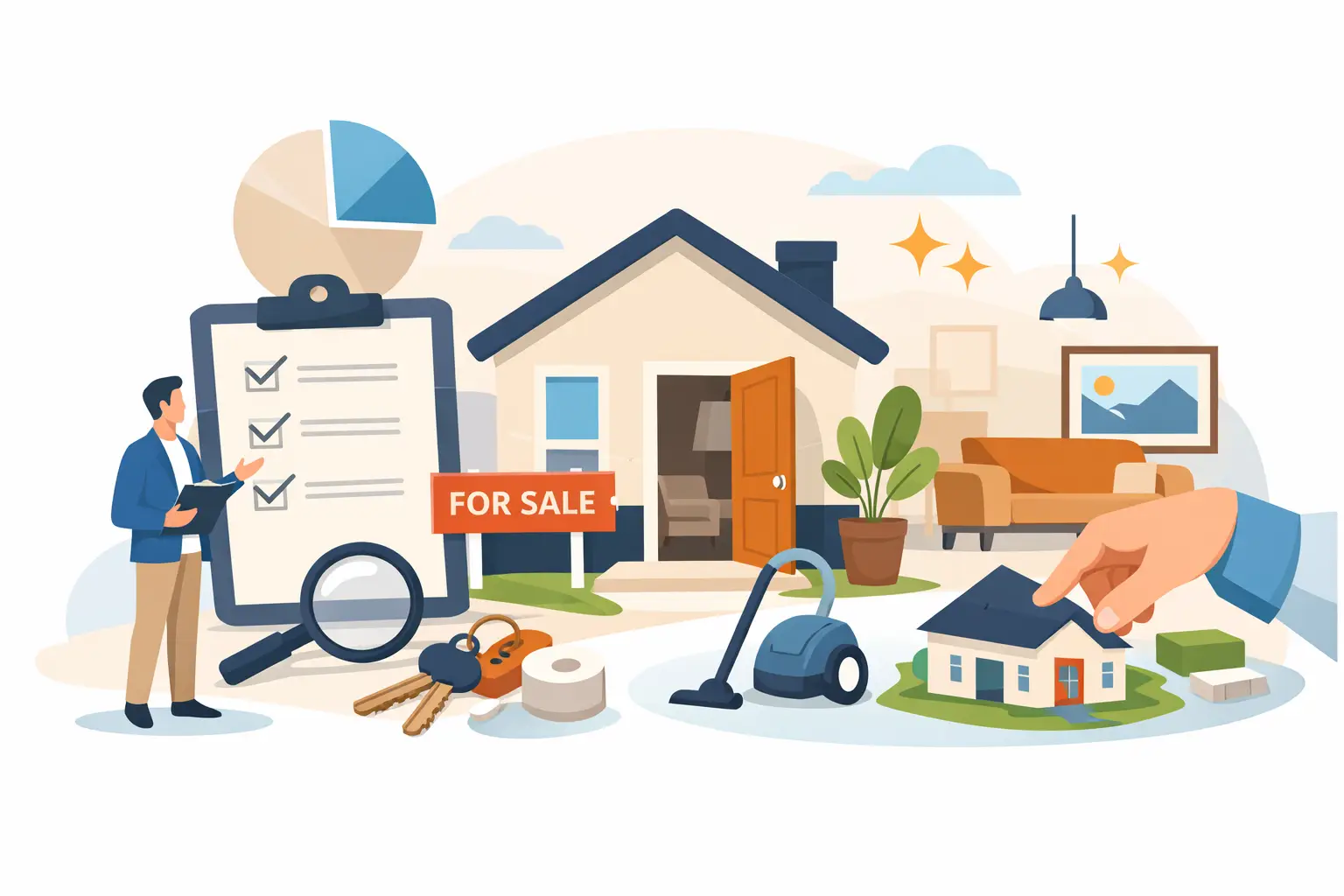
Saturday at 1 p.m. arrives fast when your home is still wearing the week. School bags by the door, a crowded kitchen counter, a scuffed front entry, and suddenly the showing you felt ready for does not feel ready at all. Good open house preparation tips are not about making your home look unreal. They are about helping buyers walk in, feel comfortable, and picture themselves living there.
For sellers, that distinction matters. An open house is not just a cleaning exercise. It is part presentation, part pricing support, and part buyer psychology. When your home feels bright, cared for, and easy to move through, buyers tend to stay longer, notice the right features, and compare it more favorably to other homes they have seen.
Why open house preparation tips matter more than most sellers think
Buyers usually decide how they feel about a home within the first few minutes. They may not decide whether to make an offer that quickly, but they do form an impression quickly. If the home feels dark, crowded, noisy, or neglected, that feeling can follow them from room to room.
The opposite is also true. A well-prepared home creates momentum. Buyers are more likely to notice the renovated bathroom, the extra storage, the natural light, or the functional layout when they are not distracted by pet odors, overflowing closets, or furniture that makes every room feel smaller.
That does not mean every seller needs to spend heavily before hosting an open house. Some homes benefit from minor touch-ups and better presentation. Others may need a deeper reset. It depends on the condition of the property, the price point, the level of competition, and buyer expectations in your area.
Start with the outside because buyers do
Before anyone sees your kitchen or primary bedroom, they see your driveway, front step, siding, and front door. If the exterior feels ignored, buyers may assume the same about the rest of the house.
Cut the lawn, trim back overgrowth, sweep the walkway, and remove anything that makes the entrance feel cluttered. In winter, clear snow and ice completely and make the approach safe. In Edmonton and surrounding areas, that small step matters more than many sellers realize. Buyers should be focused on the home, not on slippery steps or an unshoveled path.
If your front door has chipped paint or tired hardware, a quick refresh can make a noticeable difference. You are not trying to create luxury out of nowhere. You are trying to signal care.
Declutter with the buyer’s eye, not your daily routine
One of the best open house preparation tips is also one of the hardest to follow: remove more than you think you need to. Sellers live in their homes. Buyers assess space. That difference changes everything.
When counters are full, shelves are crowded, and entryways are packed with everyday items, rooms look smaller and storage looks limited. Even beautiful homes can feel tight when too much is visible.
Focus first on high-impact areas such as the kitchen counters, bathroom vanities, front closet, mudroom, and family room. Then look at bookshelves, open storage, and bedroom furniture. If a room feels busy, it probably is. A temporary storage bin or short-term storage unit is often worth it during the selling period.
There is a trade-off here. A home should not feel empty or cold. Buyers still want warmth and function. The goal is edited, not stripped.
Clean like details count, because they do
Buyers notice cleanliness at a glance, but they also notice it in small ways. Smudged glass, dusty vents, baseboards with buildup, and a bathroom mirror with streaks can quietly undermine confidence.
A proper pre-open-house clean should go beyond surface tidying. Floors, windows, appliances, sinks, tubs, light fixtures, and door handles should all be addressed. Pay special attention to kitchens and bathrooms because buyers tend to inspect those rooms more carefully.
If you have pets, be extra honest with yourself. Pet owners often become nose-blind to odors. Wash pet beds, vacuum thoroughly, and consider having pets out of the home during the open house. Even buyers who like animals may be distracted by barking, litter boxes, or food bowls.
Let light do some of the selling
Light changes how a home feels. It can make spaces seem larger, cleaner, and more inviting. Dark rooms, on the other hand, often feel smaller and less cheerful, even when the layout is strong.
Open curtains and blinds where privacy allows. Replace burnt-out bulbs and make sure the color temperature is reasonably consistent from room to room. A mix of harsh white light in one fixture and dim yellow light in another can make a home feel uneven.
Natural light is ideal, but it is not always enough, especially on darker days or in homes with north-facing rooms. Turn on lamps and overhead lights before buyers arrive. A bright home generally shows better than a dim one.
Make each room easy to understand
Buyers should not have to guess what a room is for. If a bedroom has become half gym, half office, or the basement is acting as storage, hobby area, and playroom at the same time, the function can get lost.
Try to present each room with a clear purpose. That helps buyers understand the layout and imagine how they might use the space. This does not require full staging in every case, but it does require intention.
Furniture placement matters too. Pulling a sofa slightly off the wall, removing one extra chair, or repositioning a dining table can improve flow more than sellers expect. If buyers can move through a room comfortably, they are more likely to perceive it as spacious.
Handle repairs before buyers start making mental deductions
An open house is not the time to hope buyers overlook dripping taps, loose handles, cracked switch plates, squeaky doors, or wall scuffs. Small defects often create bigger concerns in a buyer’s mind. They start wondering what else has been ignored.
Not every home needs major pre-sale upgrades. In fact, some renovations do not return their full cost. But minor repairs are usually worth doing because they reduce objections and improve overall confidence in the property.
If there is a larger issue you are not repairing before sale, your pricing and selling strategy should take that into account. Presentation helps, but it does not erase value questions.
Keep personal items to a minimum
Family photos, highly specific decor, bold collections, and personal paperwork can pull buyers out of the experience. They remind people they are in someone else’s house instead of helping them imagine it as their own.
You do not need to remove every trace of personality. A lived-in home can still feel welcoming. But personal items should not dominate the visual experience. This is especially important in entry areas, living spaces, and primary bedrooms.
There is also a practical side to this. Put away valuables, prescription medication, financial documents, spare keys, and anything sensitive before the open house begins.
Be careful with scents, sound, and atmosphere
Many sellers try to create atmosphere, but this is one area where subtlety wins. Strong air fresheners, heavy candles, or overpowering cleaning products can make buyers suspicious that something is being covered up.
Fresh air is better. Light cleaning scents are fine. If you want the home to feel calm, keep it simple. The same goes for music. If it is used at all, it should be quiet and neutral. Silence is often better than the wrong playlist.
Temperature matters too. If the home is too hot or too cold, buyers get uncomfortable quickly. Comfort supports a longer visit, and longer visits often lead to stronger interest.
Think beyond the house itself
An open house also reflects how prepared you are as a seller. If the home presents well but pricing is off, showing access is difficult, or key property details are unclear, the overall result can still fall short.
This is where working with an advisor who understands both market positioning and the financial side can help. For some buyers, interest is shaped not just by the home but by whether the monthly payment feels realistic in the current lending environment. That broader context affects turnout, urgency, and the kinds of questions serious buyers ask.
For example, if similar homes are sitting while one sells quickly, the difference is often not just decor. It is the combination of price, condition, marketing, timing, and how easy it is for buyers to feel confident moving forward.
The final 24 hours before your open house
The day before matters because stress causes rushed decisions. Try to finish deep cleaning, repairs, and decluttering ahead of time so the final 24 hours are for light resets, not major work.
On the day itself, make beds neatly, clear kitchen counters again, empty trash, check bathrooms, and do one last walk-through from the front door to the back of the home. Look at the space the way a buyer would. What feels effortless, and what still feels distracting?
If possible, leave during the open house. Buyers tend to speak more freely and explore more comfortably when the seller is not present. That gives your agent a better chance to answer questions, guide attention to the home’s strengths, and gather honest feedback.
Bhupinder Singh Real Estate & Mortgage often reminds sellers that preparation is not about perfection. It is about removing friction. When buyers can step into a home and simply experience it, everything gets easier.
The best open house preparation tips all lead to the same outcome: fewer distractions, stronger first impressions, and a better chance that the right buyer sees not just a house, but a home they want to make an offer on.