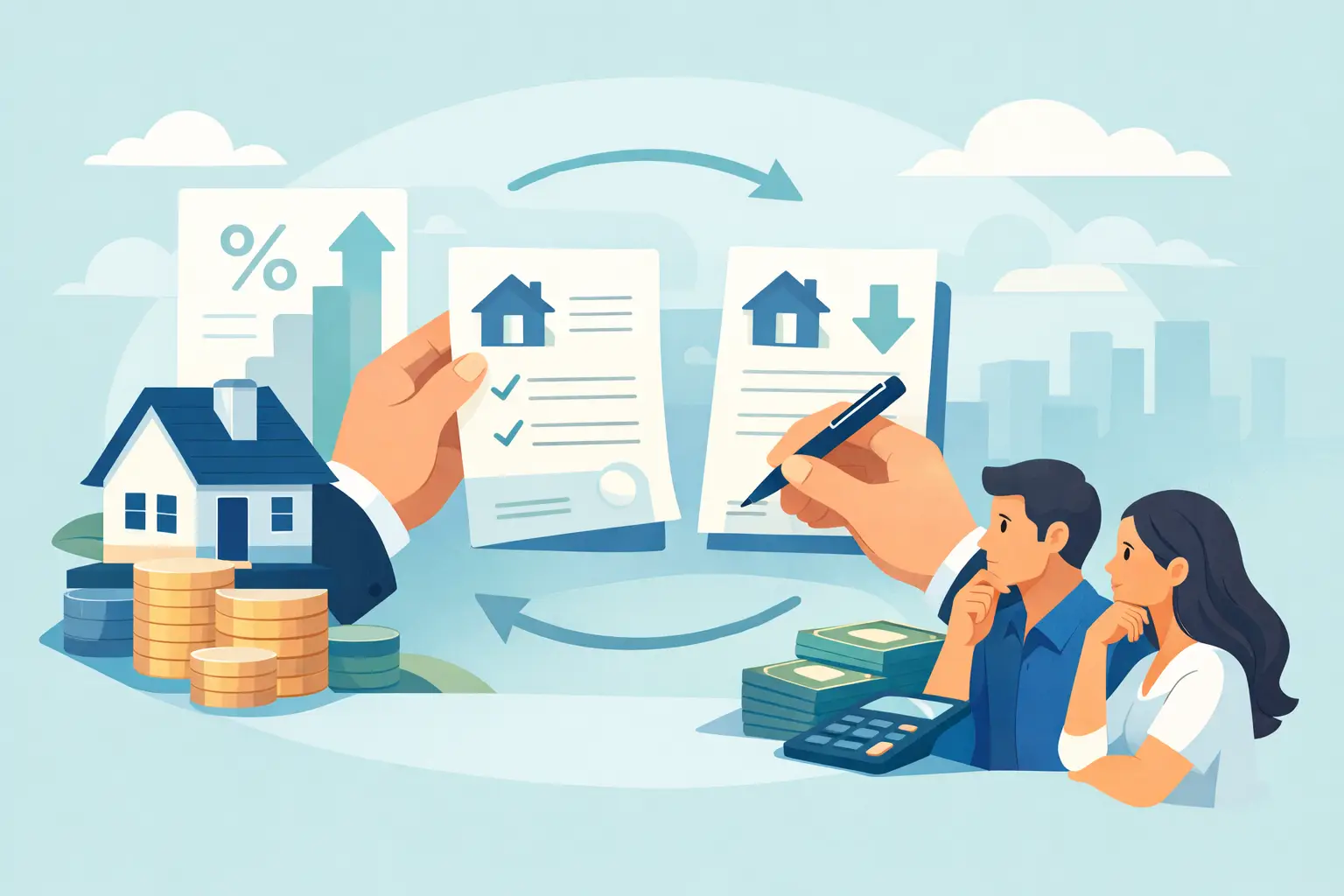
A lower rate on paper can look like an easy win. But if you are asking, should I refinance my mortgage now, the real answer depends on what you want your mortgage to do for you over the next few years – not just what rate you can get this week.
For some homeowners, refinancing creates breathing room right away. It can reduce the monthly payment, consolidate higher-interest debt, or help fund a renovation that adds value to the home. For others, it adds costs, resets the loan timeline, and solves the wrong problem. The smartest decision usually comes from looking at your payment, your goals, and how long you expect to keep the property.
Should I refinance my mortgage now or wait?
The timing question matters because refinancing is not free. You may pay closing costs, legal fees, appraisal fees, penalties, or other lender charges depending on your current loan and the new one. That means waiting can sometimes be the better move, even if rates improve slightly.
On the other hand, waiting also has a cost. If you are carrying a mortgage with a much higher rate than what you qualify for today, or if your current payment is stretching your budget, delaying could mean paying more than necessary every month. This is especially true if you have strong credit, stable income, and enough home equity to qualify for better terms.
A useful way to think about it is this: refinancing should improve your overall position, not just give you a rate that sounds better. If it lowers your total borrowing cost, improves your cash flow, or supports an important financial goal, now may be the right time. If the savings are small and the fees are high, waiting may be wiser.
The 4 questions that matter most
Before you focus on rate quotes, start with the bigger picture.
1. How much will you actually save each month?
A rate drop is only meaningful when it changes your real payment enough to matter. If refinancing saves you $40 a month but costs several thousand dollars in fees, the benefit may be too small unless you plan to stay in the home for a long time.
If it saves you $250 or $400 a month, that is a different conversation. At that point, the refinance may create flexibility in your budget, which can help with everything from daycare costs to emergency savings to paying down other debt.
2. How long will it take to break even?
Break-even point means the number of months it takes for your monthly savings to cover the refinance costs. If your total costs are $3,600 and your monthly savings are $200, your break-even point is 18 months.
This matters because if you plan to sell, move, or pay off the mortgage before then, refinancing may not deliver enough value. If you expect to stay put for several more years, the numbers may work in your favor.
3. Are you refinancing for the right reason?
Homeowners refinance for different reasons, and not all of them are equally strong. Lowering your payment can make sense. Switching from an adjustable loan to a fixed one can make sense. Consolidating high-interest debt can also make sense if the new payment is manageable and you avoid building that debt back up.
Using home equity for discretionary spending is where caution matters. If you refinance to fund expenses that do not improve your finances or your property, you may be turning short-term wants into long-term debt.
4. Will refinancing reset your loan in a way that hurts you?
This point gets missed often. If you are 10 years into a 30-year mortgage and refinance into a new 30-year term, your payment may drop, but you may end up paying interest over a much longer period.
That does not automatically make refinancing a bad idea. It just means you need to compare total cost, not only monthly relief. In some cases, a shorter term refinance keeps the repayment schedule tighter while still improving your rate.
When refinancing usually makes sense
There are some situations where the case for refinancing is stronger.
If rates are meaningfully lower than your current mortgage rate, refinancing deserves a serious look. The exact difference needed varies, because fees and loan size matter, but even a smaller rate drop can be worthwhile on a large balance.
If your credit score has improved since you first got the mortgage, you may qualify for better pricing now than before. The same is true if your income is stronger, your debt load is lower, or your home has increased in value enough to improve your loan-to-value ratio.
Refinancing can also make sense if you need predictability. Homeowners with variable or adjustable rates sometimes refinance into a fixed-rate mortgage for stability, especially when monthly budgeting is becoming harder.
In Edmonton and surrounding Alberta communities, this can be especially relevant for families balancing mortgage costs with transportation, childcare, and rising household expenses. A stable payment often brings more peace of mind than chasing the lowest possible short-term rate.
When refinancing may not be the right move
Sometimes the better advice is to leave the mortgage alone.
If your current rate is already competitive, the refinance costs may outweigh the benefit. If you expect to move soon, you may not stay long enough to reach the break-even point. If your finances are tight and the new loan requires upfront costs you would need to borrow or put on credit cards, the transaction may create new pressure instead of solving it.
Refinancing can also be less attractive if the only way to make the payment lower is by extending the term significantly. Lower monthly payments feel good, but stretching repayment over more years can quietly increase the total amount you pay.
And if you are considering cash-out refinancing, be honest about the purpose. Using equity for a necessary repair or a strategic renovation is very different from using it to patch ongoing overspending.
Should I refinance my mortgage now if I have other debt?
Maybe – but the details matter.
Rolling higher-interest debt into a mortgage can lower your monthly payments and simplify your finances. That can be helpful if you are dealing with credit card balances or other costly debt. But mortgage debt is secured by your home, so the stakes are higher.
This strategy works best when it is part of a clear plan. If refinancing helps you reduce interest costs and regain control of your budget, it can be smart. If it only frees up room so the same debt builds again, it usually creates a bigger problem later.
That is why a full review matters. Looking at the mortgage in isolation is not enough. You want to understand how refinancing affects your total monthly obligations, your savings goals, and your long-term housing plans.
What to review before you decide
Before moving forward, ask for a full side-by-side comparison of your current mortgage and the proposed refinance. You should know the new interest rate, monthly payment, total closing costs, any prepayment penalties, the new loan term, and the break-even point.
You should also ask one practical question that cuts through a lot of confusion: what is the total financial benefit if I keep this mortgage for three years, five years, and ten years? That timeline-based view often makes the right choice much clearer.
It also helps to look at alternatives. Sometimes a renewal negotiation, a blend-and-extend option, a different amortization, or a debt restructuring plan may fit better than a full refinance. Good advice is not about pushing one product. It is about matching the solution to the household.
For homeowners who want both financing clarity and local housing insight, working with an advisor who understands both sides of the decision can be especially helpful. Bhupinder Singh Real Estate & Mortgage supports clients through both mortgage and property decisions, which can be valuable when your refinance choice is tied to plans to renovate, move, invest, or sell.
The right time is personal, not universal
There is no single market headline that answers the question, should I refinance my mortgage now, for everyone. Two homeowners with the same rate can get completely different advice based on their equity, credit, debt, income, and plans for the home.
If refinancing gives you lower costs, better stability, or a clearer financial path, it may be the right move now. If the savings are thin, the fees are high, or your goals are likely to change soon, waiting may serve you better.
A good mortgage decision should leave you feeling more confident a year from now, not just relieved this month.